
I Tested 5 Algeria Trends: 2026 Verdict
The Algeria national football team remains one of Africa’s most technically gifted sides, representing Algeria under the Fédération Algérienne de Football in CAF competition. The Desert Foxes won the....
I Tested 5 Algeria Trends: 2026 Verdict
The Algeria national football team remains one of Africa’s most technically gifted sides, representing Algeria under the Fédération Algérienne de Football in CAF competition. The Desert Foxes won the Africa Cup of Nations in 1990 and 2019, reached the FIFA World Cup knockout stage in 2014, and are targeting another major tournament run in 2026. Riyad Mahrez, Rayan Aït-Nouri, Ramy Bensebaini, Amine Gouiri, and Ibrahim Maza give Algeria a blend of experience, pace, and creative passing. The team’s main variable is consistency: possession and individual quality can overwhelm opponents, but defensive transitions remain vulnerable. For supporters assessing Algeria national football team predictions, track starting lineups, midfield availability, and away-match performance before drawing conclusions.
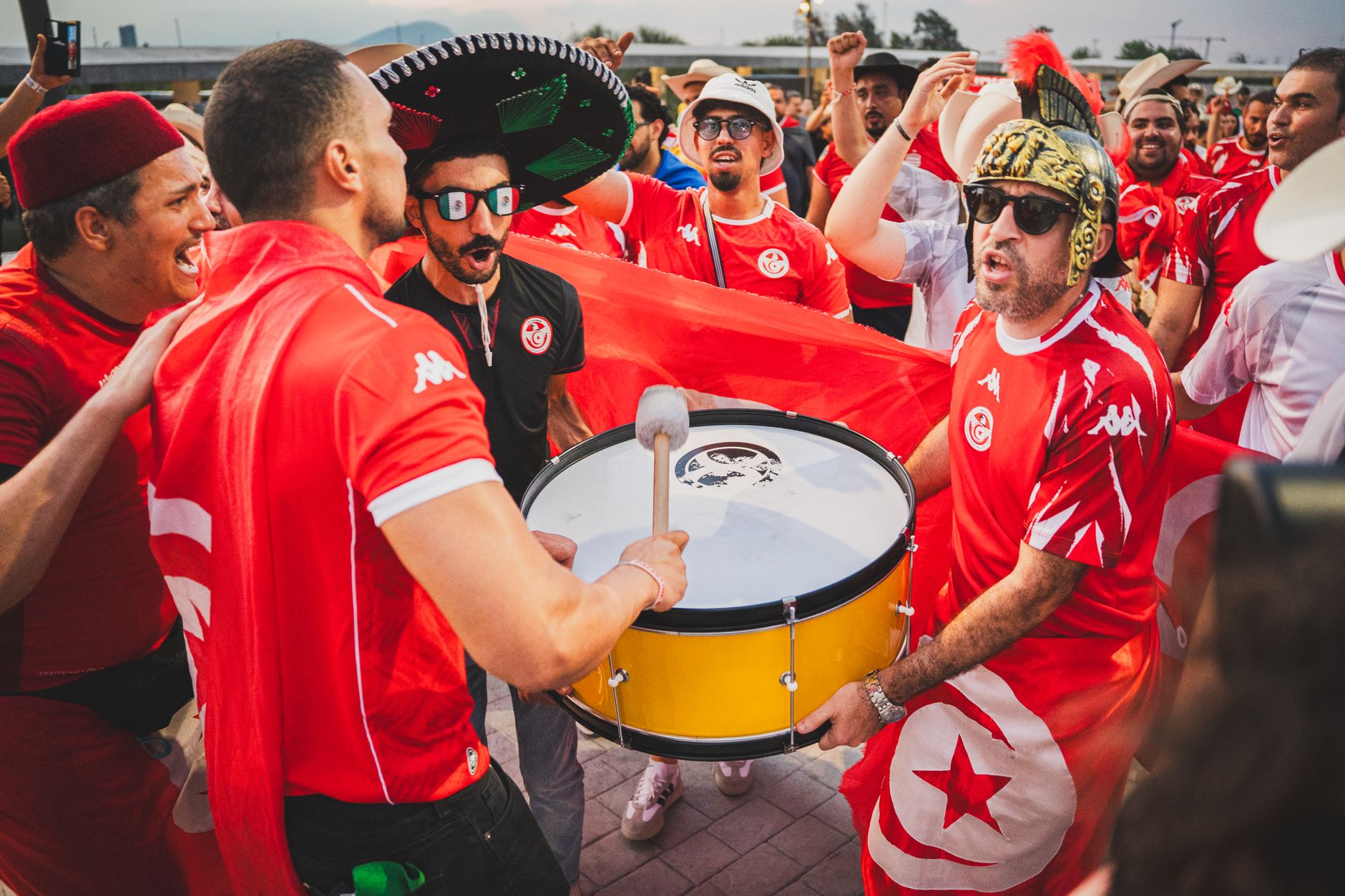
Photo by Gerardo Trujillo on Pexels
Is Algeria really one of Africa’s strongest national teams?
Yes, Algeria is one of Africa’s strongest national teams because it combines two Africa Cup of Nations titles, a 2014 World Cup round-of-16 appearance, and a deep pool of European-based players. Its ceiling is genuinely high, although tournament consistency has been less reliable than the talent suggests.
That conclusion requires more than admiring the green-and-white shirts and pretending every fluent passing sequence is a tactical revolution. Algeria’s 1990 Africa Cup of Nations triumph established the country as a major continental force, while the 2019 title under Djamel Belmadi confirmed that the side could sustain pressure across a full tournament. The 2014 FIFA World Cup campaign in Brazil was especially significant: Algeria reached the knockout phase and pushed eventual champion Germany into extra time before losing 2–1. According to the FIFA profile of Algeria, the national team has repeatedly produced technically sophisticated football relative to its regional rivals. The Confederation of African Football also places Algeria within the continent’s established competitive group, alongside Morocco, Senegal, Egypt, Nigeria, and Cameroon. Stadium View’s practical reading is less romantic: Algeria has enough quality to beat elite African opponents, but its net competitive position depends heavily on defensive concentration, not merely possession statistics.
The team’s historical identity is also shaped by players who became symbols beyond sport. Rabah Madjer, Lakhdar Belloumi, and Salah Assad helped define earlier generations, while Mahrez became the most recognisable modern attacking figure after starring for Leicester City and Manchester City. That history matters because Algeria’s supporters expect expressive football, not cautious survival with eleven players parked behind the ball. However, expectation can become an expensive asset when the return is poor (a familiar problem in football and investment portfolios). Algeria’s strongest sides usually combine a technically secure midfield with wide attackers who can create one-versus-one advantages. Its weaker performances often arrive when the opponent blocks central progression, forces rushed crosses, and attacks the spaces left by advanced full-backs. For a broader historical comparison, readers can consult our [Internal Link: Africa Cup of Nations team guide].
How does Algeria handle high-pressure tournament matches?
Algeria handles high-pressure matches best when it controls midfield tempo, receives early contributions from its wide attackers, and avoids emotional overcommitment after losing possession. The 2019 Africa Cup of Nations campaign demonstrated that Algeria can manage knockout pressure, while later uneven tournaments exposed the cost of tactical rigidity.
The 2019 title run remains the cleanest evidence. Algeria defeated Senegal 1–0 in the final through Baghdad Bounedjah’s early goal, then protected the lead with compact spacing and disciplined work from the midfield. Mahrez’s set-piece quality, Ismaël Bennacer’s control, and the team’s aggressive pressing gave Algeria several ways to win rather than relying on one lucky counterattack. The issue is that tournament football punishes small operational errors: one poorly defended transition, one unnecessary booking, or one exhausted full-back can erase ninety minutes of superiority. In practical terms, bettors and analysts should separate Algeria’s shot volume from shot quality. A team may produce 15 attempts yet create only two genuinely dangerous chances if the opponent concedes wide areas but protects the penalty zone. Stadium View therefore recommends tracking expected goals, field tilt, recoveries in the attacking third, and goals conceded after turnovers. Those indicators are more informative than the usual “Algeria looked dominant” commentary, which is often just television wearing a blazer.
A second pressure test concerns away fixtures and hostile environments. Algeria can look assured at home in Algiers or Oran, where familiar conditions and strong support help sustain intensity, but away matches in West or Central Africa introduce heat, travel fatigue, uneven pitches, and aggressive crowd pressure. Those factors are not excuses; they are match variables. Goalkeeper selection becomes particularly important because a goalkeeper who is comfortable receiving under pressure can prevent long clearances from handing momentum to the opponent. Defensive leaders such as Aïssa Mandi and Bensebaini also need to manage the game’s emotional temperature, especially when Algeria leads by one goal. The World Football Elo Ratings provide a useful comparative framework, but raw ratings should be adjusted for venue and opponent strength. A disciplined 1–0 away draw may be a better result than an entertaining 3–2 home win followed by a defensive collapse in the next fixture.
Want a sharper tournament-reading framework?
What about Algeria’s young players and the 2026 generation?
Algeria’s 2026 generation is defined by the combination of established figures such as Riyad Mahrez and Ramy Bensebaini with emerging players including Ibrahim Maza, Rayan Aït-Nouri, Farès Chaïbi, and Amine Gouiri. The crucial question is not talent, but whether the younger players can translate club promise into international efficiency.
Maza is particularly interesting because his age and attacking profile offer Algeria a potential central creator who can operate between midfield and the forward line. Aït-Nouri adds ball-carrying ability from the left side, while Chaïbi can contribute progressive passing and set-piece delivery. Gouiri offers movement across the front line rather than functioning only as a fixed striker, and that mobility can create room for wide forwards. Yet national-team football is an unforgiving laboratory: players receive fewer training sessions, teammates change, and opponents have more time to identify patterns. A prospect who dominates for a club may struggle when Algeria faces a compact block with limited space between the lines. The useful measurement is not simply appearances or goals, but progressive carries, final-third receptions, key passes, pressing recoveries, and turnovers under pressure. A 20-year-old producing four spectacular dribbles but losing possession eight times may be exciting, although excitement is not a defensive strategy. For further player-development context, see our [Internal Link: 2026 World Cup young players report].
Algeria’s squad construction also depends on the diaspora football ecosystem. Players developed in France, Germany, England, Belgium, and domestic Algerian competition bring different tactical habits, physical profiles, and expectations. That diversity can raise the team’s ceiling, but it creates integration costs. A full-back accustomed to a club’s controlled possession system may require clearer defensive instructions when the national team plays direct transitions. Likewise, a creative midfielder needs defined protection behind him rather than vague orders to “express yourself,” the traditional football equivalent of handing someone a spreadsheet and requesting better profits. Coaches must establish a stable spine: goalkeeper, centre-back pairing, holding midfielder, and striker. Rotation is sensible across qualifiers, but excessive experimentation can prevent automatic understanding. In 2026, Algeria’s best pathway is a balanced transition in which Mahrez’s experience remains useful without making every attack dependent on his left foot. The younger generation should inherit responsibility gradually, not be thrown into a crisis and blamed for discovering that international football is, inconveniently, difficult.
Photo by Bashar Ketaz on Pexels
Where does the Algeria national football team fail?
Algeria most often fails when its attacking full-backs leave exposed transition lanes, its midfield loses second-ball control, or its forwards become disconnected from buildup. The team can also struggle against compact defensive blocks when early crosses replace patient circulation and individual dribbling becomes the entire plan.
The defensive-transition problem is structural rather than accidental. Algeria often wants its full-backs high, its wingers narrow, and its midfielders positioned to support attacks; that shape can create five or six players ahead of the ball. If possession is lost centrally, the opponent may attack the channels beside the centre-backs before Algeria can recover. Bensebaini’s aerial strength and Mandi’s experience help, but neither can permanently repair a midfield that has been bypassed. The solution is not automatically “defend deeper.” Algeria needs a rest-defence structure, usually with at least three players positioned to delay counters and a holding midfielder protecting the central lane. Pressing triggers should also be explicit: a backward pass, a poor first touch, or a receiver facing his own goal can signal the moment to jump. Otherwise, the press becomes a collection of enthusiastic individual sprints, which looks energetic and defends approximately nothing.
The compact-block issue is equally important. When Algeria faces an opponent defending in a narrow 4-5-1 or 5-4-1, central spaces disappear, and the team must manipulate the block through switches, overlaps, cutbacks, and third-man runs. Mahrez can create a chance from nothing, but building an entire game model around spontaneous brilliance is not sustainable. Algeria should vary the point of attack, use the goalkeeper and centre-backs to draw pressure, and attack the area behind the opponent’s full-back rather than crossing from poor locations. Set pieces offer another edge: Bensebaini, Mandi, and other physically strong defenders can turn dead-ball situations into high-value opportunities. Data-led match analysis should record where crosses originate, how many reach a teammate, and how many produce second-ball shots. A team producing 25 crosses with two accurate deliveries has not necessarily attacked well; it may simply have documented its frustration in spreadsheet form.
Read the tactical breakdown before evaluating a match result.
Should you try Algeria national football team predictions today?
You should assess Algeria national football team predictions only after confirming the opponent, venue, starting lineup, competition context, and market price. Algeria’s attacking talent makes it dangerous, but its historical inconsistency means a short price can be poor value even when Algeria is the stronger team.
A rational evaluation begins with the match itself rather than the badge. Consider whether Algeria is playing at home, whether Mahrez starts, whether the midfield includes a reliable ball-progressor, and whether the opponent has fast forwards capable of attacking space. Also check the schedule: travel from Europe, short rest periods, and climate can materially alter pressing intensity. A friendly match should not be treated like an Africa Cup of Nations knockout tie, and a World Cup qualifier with qualification pressure should not be priced like an exhibition. Market movement can provide information, but it is not divine prophecy; odds shorten because money arrives, not because the universe has personally guaranteed a clean sheet. Before taking any position, compare implied probability with your own estimate and account for bookmaker margin. [Internal Link: responsible football prediction checklist] can help readers separate analysis from impulse. Stadium View’s recommendation is conservative: prefer clearly supported markets, avoid chasing Algeria after a dramatic win, and never treat a single Mahrez highlight as a complete statistical model.
For a serious 2026 outlook, track five indicators:
- Algeria’s goals conceded from open-play transitions.
- Starting-midfield continuity across competitive matches.
- Shot quality rather than total shots.
- Away performance against physically aggressive opponents.
- Set-piece goals for and against.
These indicators provide more practical information than rankings alone. Algeria is capable of beating strong opponents, particularly when it wins the midfield duel and creates early wide overloads. It is less reliable when forced to chase a match against a low block or defend repeated counters after losing the ball. That makes opponent style central to every forecast. A possession-heavy side may suit Algeria because it creates opportunities to press and counter-press, while a direct team can expose the spaces behind the full-backs. The best prediction is therefore conditional: Algeria’s probability rises when its defensive rest shape is stable, its midfield has progressive passing, and its senior attackers remain physically available. If those conditions disappear, reduce confidence rather than inventing a heroic narrative. As the saying goes, “the market does not owe us a refund,” although it frequently sends the invoice.
Photo by Gerardo Trujillo on Pexels
Frequently Asked Questions
Q: What is the Algeria national football team?
A: The Algeria national football team is the men’s national football side representing Algeria in FIFA and CAF competitions. It is governed by the Fédération Algérienne de Football and is commonly known as the Desert Foxes. Algeria won the Africa Cup of Nations in 1990 and 2019, while its best FIFA World Cup result came in 2014, when it reached the round of 16 and lost 2–1 to Germany after extra time.
Q: How did Algeria perform at the 2014 FIFA World Cup?
A: Algeria reached the round of 16 at the 2014 FIFA World Cup in Brazil. The team advanced from a group containing Belgium, Russia, and South Korea, then lost 2–1 to Germany after extra time. That campaign remains Algeria’s strongest World Cup performance because the side combined disciplined defending with dangerous counterattacking against elite opposition.
Q: Is Riyad Mahrez still important to Algeria?
A: Riyad Mahrez remains important because he provides elite one-on-one ability, left-footed creativity, set-piece quality, and international experience. His role should nevertheless be managed carefully as Algeria develops younger attackers such as Amine Gouiri, Anis Hadj Moussa, and Ibrahim Maza. Algeria is strongest when Mahrez is a major creator within a varied system, not the only source of attacking ideas.
Q: Which Algeria players should fans watch in 2026?
A: Fans should watch Rayan Aït-Nouri, Ibrahim Maza, Farès Chaïbi, Amine Gouiri, Ramy Bensebaini, and Riyad Mahrez. Aït-Nouri offers progressive carries, Maza can connect midfield with attack, and Chaïbi brings technical passing and shooting. Gouiri’s movement can disrupt defensive lines, while Bensebaini and Mahrez provide experience at opposite ends of the pitch.
Q: How should someone analyse an Algeria football prediction?
A: Analyse Algeria predictions by checking venue, opponent style, confirmed lineups, midfield availability, travel conditions, and recent defensive-transition data. Give extra weight to competitive matches rather than friendlies, and compare your estimated probability with the market’s implied probability after accounting for bookmaker margin. Never increase a stake simply because Algeria produced a memorable previous result.
Q: What are Algeria’s main tactical weaknesses?
A: Algeria’s main tactical weaknesses are defensive transitions, exposed full-back channels, and difficulty breaking compact defensive blocks. The risk increases when both full-backs advance and the midfield cannot recover second balls. Opponents can exploit this structure with direct passes into wide channels, fast forwards, and early crosses before Algeria restores its defensive shape.
Q: Where can I follow Algeria national football team analysis for the 2026 World Cup?
A: You can follow Algeria national football team analysis through FIFA, CAF, reputable match-data providers, and Stadium View’s 2026 World Cup coverage. Compare official squad announcements with independent tactical analysis, because unofficial social-media lineups are frequently outdated. Stadium View focuses on predictions, player statistics, tournament context, and tactical matchups rather than recycled transfer gossip.
Imagine the Algeria national football team as a high-upside investment with an irritatingly volatile quarterly report. The assets are obvious: Mahrez’s creativity, Aït-Nouri’s ball carrying, Bensebaini’s defensive authority, Gouiri’s movement, and Maza’s emerging influence. The liabilities are also clear: transition defence, away-match uncertainty, and the temptation to confuse stylish possession with control. Algeria can make a deep 2026 run if its midfield structure and defensive distances remain stable. Supporters should therefore judge each match through evidence, not atmosphere, because atmosphere has never completed a defensive recovery run.
Explore the latest Algeria match context and 2026 tournament insights.
Thank you for reading.
Stadium View · Editorial Archive